

In this Muscle and Motion detail article, you will discover the three primary types of muscle contractions–isotonic, isometric, and isokinetic–and their characteristics, examples, and applications. Gain insights into how these contractions contribute to various movements and exercises.
Introduction:
Muscle contractions are fundamental to our ability to perform different movements. In this article, we explore the three main types of muscle contractions: isotonic, isometric, and isokinetic. Understanding these types will provide valuable insights into how our muscles work during specific exercises and activities. Join us as we delve into the characteristics, examples, and applications of each type of muscle contraction.
1. Isotonic Muscle Contraction:
Isotonic muscle contractions involve a change in muscle length without altering the resistance. This section focuses on two subtypes of isotonic contractions: concentric and eccentric.
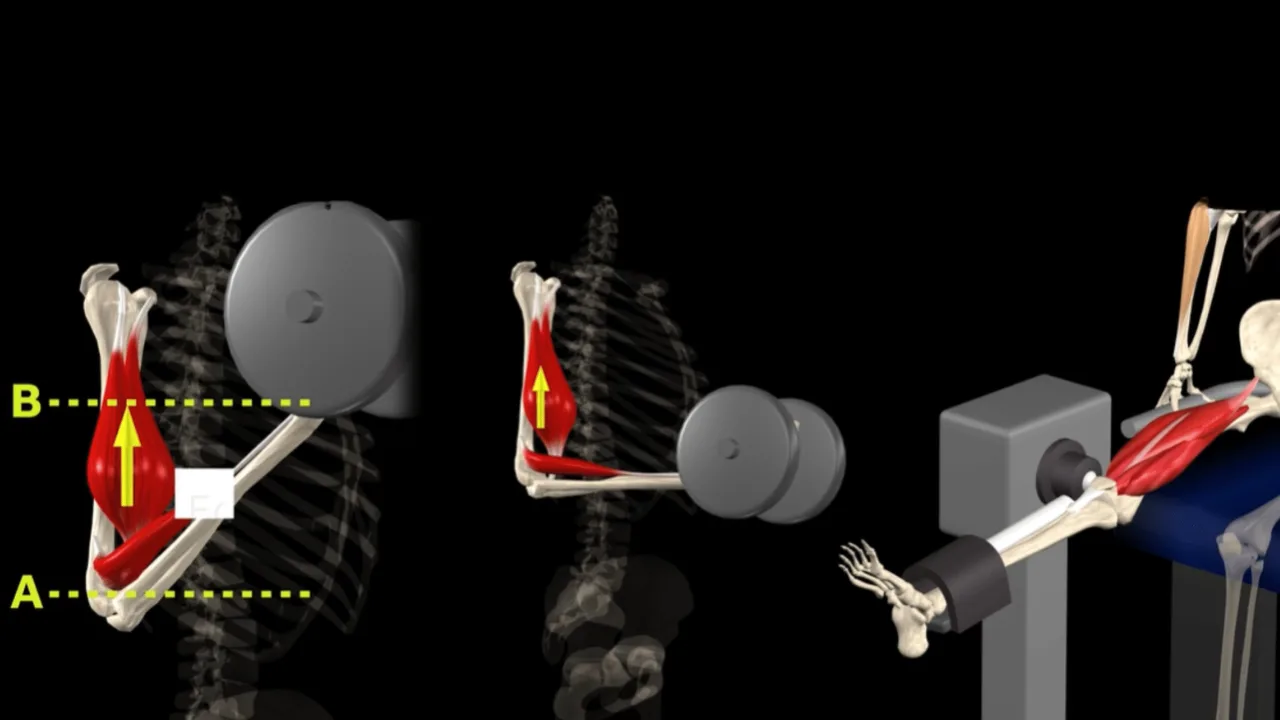
- Concentric contraction is characterized by muscle shortening under load. For example, when you perform a Bicep Curl during the flexion phase, your bicep is contracted and shortened under load.
- Eccentric contraction is the opposite of concentric muscle contraction, meaning the muscle is lengthened under load. In the same example as above, eccentric contraction will occur when you lower (extend) your elbow during the bicep curl, and the biceps will lengthen under load.
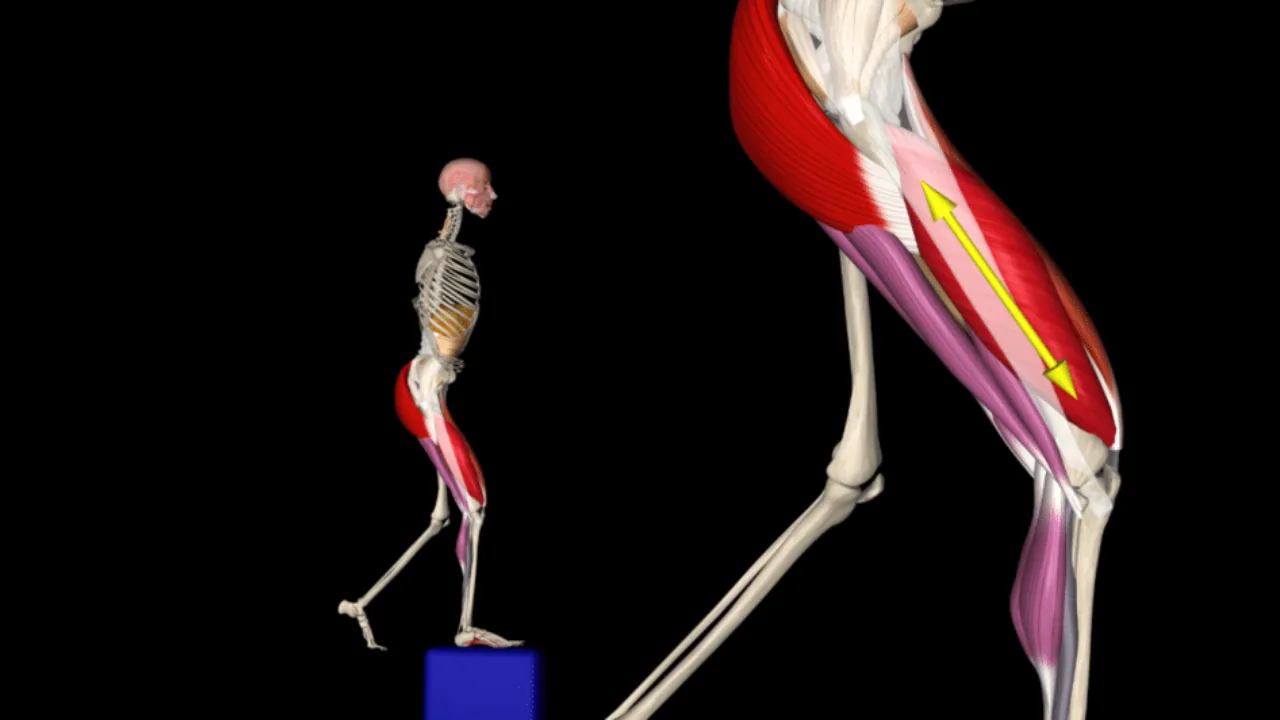
Examples of these two contractions are the quadriceps muscle when performing the Box Step-Up. When stepping up on a box, the quadriceps shorten under load in a concentric contraction. When stepping back to the starting position, the quadriceps lengthen under load, creating an eccentric contraction, which also helps to restrain the body weight and prevent falling.
2. Isometric Muscle Contraction:
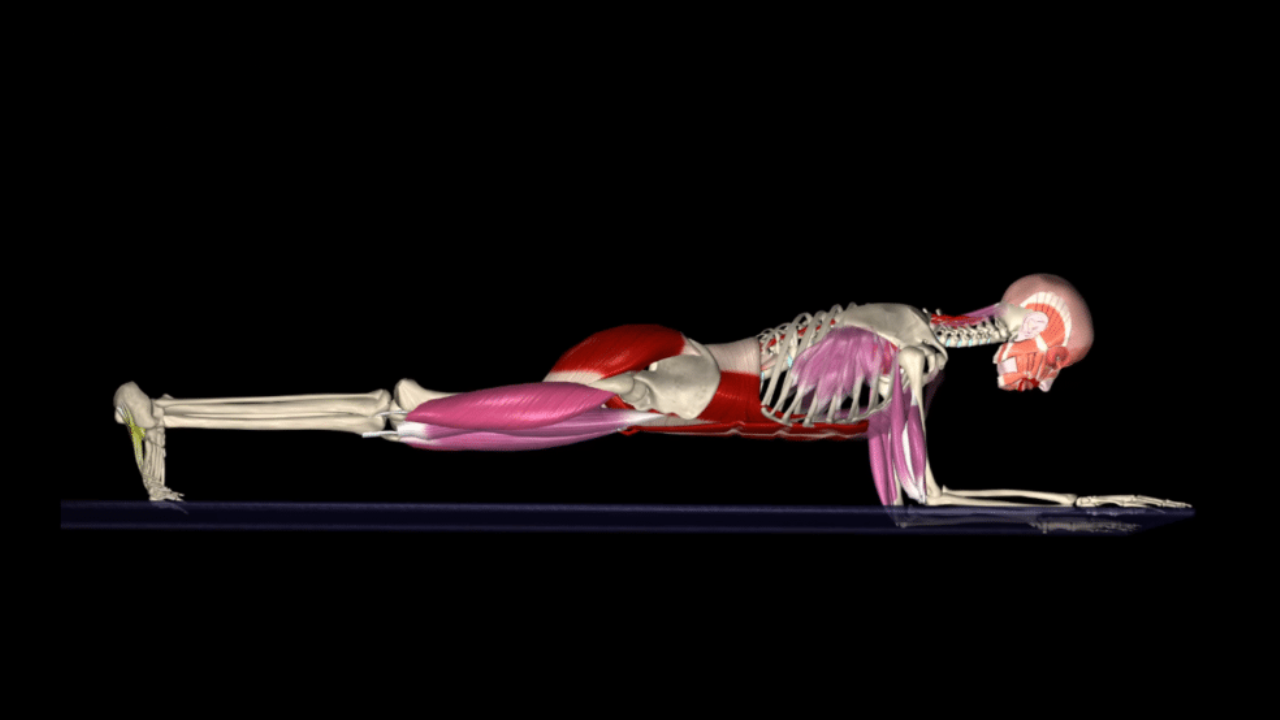
Isometric muscle contractions occur when there is no change in muscle length during contraction. This segment explains the concept of isometric contractions using exercises like planks, where the muscles stabilize the body without visible movement. We also explore the role of isometric contractions in exercises like the Bicep Curl, where static holds can be incorporated to increase muscle strength and stability.
3. Isokinetic Muscle Contraction:
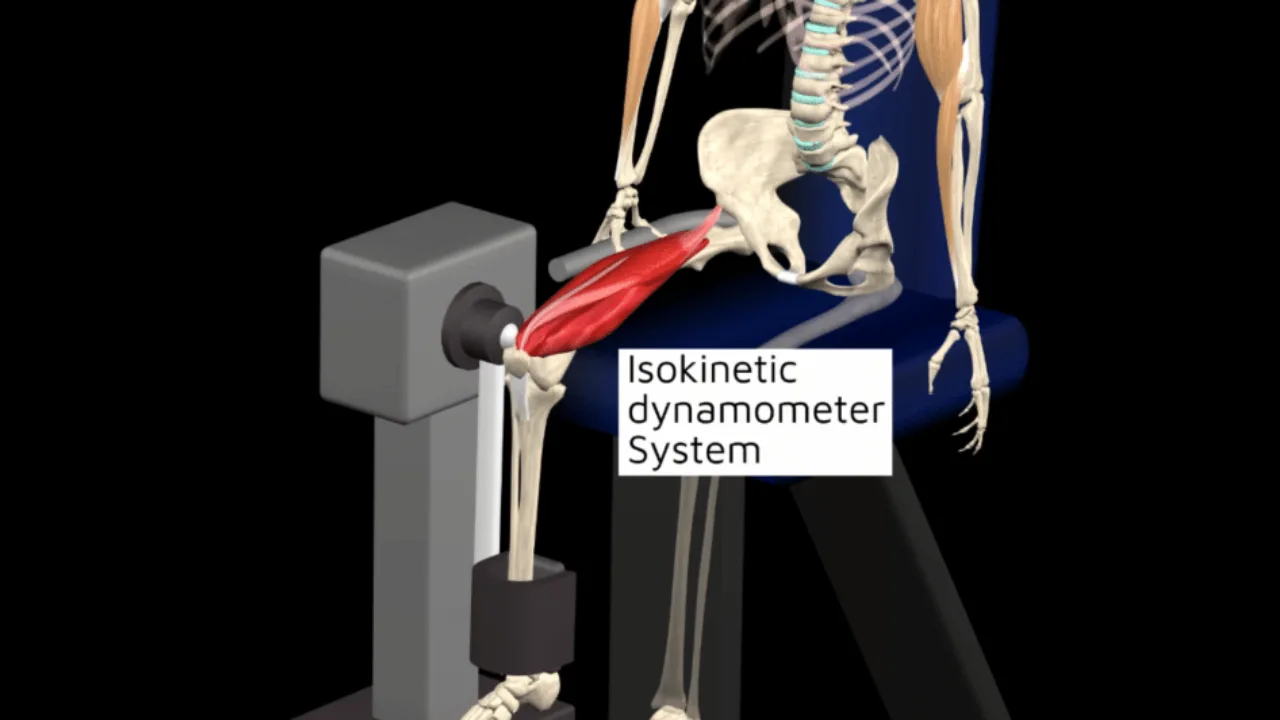
Isokinetic contractions are similar to isotonic contractions in that the muscle changes length during the contraction. The difference between them is that the isokinetic contractions produce movements of a constant speed.
Examples of using isokinetic contractions in daily activity and sports are rare. The best example of this type of contraction is the breaststroke when swimming, where the water provides a constant, even resistance to the movement of adduction. To produce this contraction, you need to use an isokinetic dynamometer system.
In summary, we discussed three types of muscle contractions: isotonic, isometric, and isokinetic.
- Isotonic contraction includes concentric contraction when the muscle is shortened under load and eccentric contraction when the muscle is lengthened under load.
- Isometric contraction is when the muscle doesn’t change in length under load.
- Isokinetic contraction occurs when the muscle changes length during the contraction and produces movements of a constant speed.
Dive deeper into our content – Download our Strength Training App Today.