

One of the most common questions when designing a workout plan is, “What’s the best exercise?” The reality is, there’s no single answer that applies to everyone. The ideal exercise depends on your body, your training environment, and your specific goals. Of course, the best choice will vary depending on whether someone is training for performance, endurance, mobility, or overall health. In this blog, however, the focus is on those whose primary goals are building muscle (hypertrophy) and developing strength.
In this Muscle and Motion blog, we’ll guide you through a practical framework of principles designed to help you make smarter exercise choices and build a more effective, efficient, and sustainable training routine.
1. Pain
The Golden Rule of exercise selection is this: if it hurts in the wrong way, don’t do it. The old saying “No pain, no gain” has often been misunderstood. Training should challenge your muscles, lungs, and endurance—but it should never create sharp joint pain or persistent discomfort. That kind of pain isn’t a badge of honor; it’s a warning sign. If a particular movement doesn’t suit your body, choose an alternative that works the same muscle group without causing harm. Progress comes from smart, consistent effort—not from pushing through pain that signals injury.
Example: For some people, overhead presses cause shoulder pain because of limited mobility or past injuries. That doesn’t mean they can’t train their shoulders. Swapping to a landmine press or a lateral raise can target the same muscles without triggering pain.
Progress comes from smart, consistent effort – not from forcing movements that aggravate your body.

2. Loadable
A good exercise should allow you to progress over time. Progression means being able to gradually add weight, reps, or complexity (progressive overload). An exercise that doesn’t allow for measurable progression may have limited long-term value.
Example: The barbell back squat allows you to add weight in small, controlled increments progressively. In contrast, kettlebell goblet squats can quickly become awkward to load once the dumbbell or kettlebell is too heavy to hold comfortably.

For a deeper dive into progressive overload and other training foundations, you can read our blog: The Fundamental Principles of Training.
3. Available
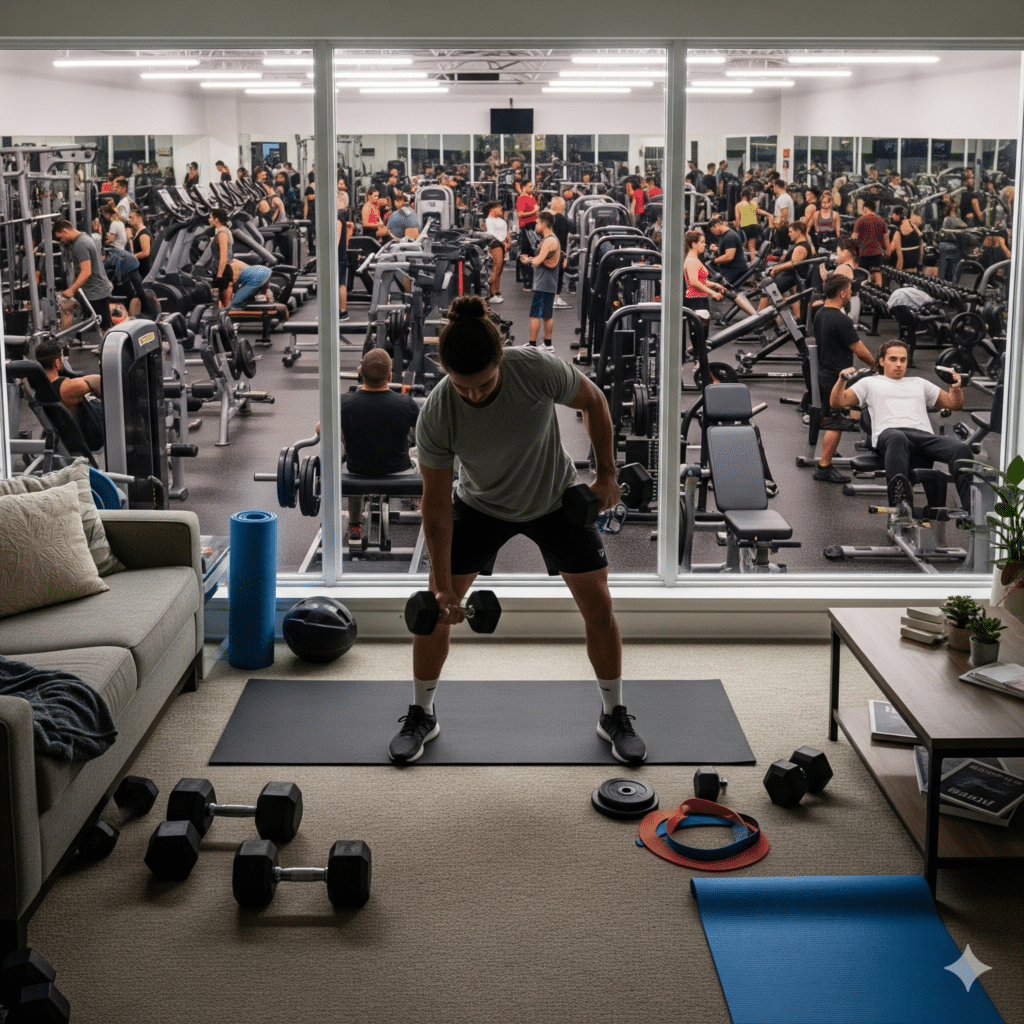
An exercise can be perfect on paper, but if you can’t perform it regularly, it won’t deliver results. Availability is an often-overlooked factor in program design. The best exercise is the one that fits your environment and resources—whether that means the equipment at your gym, the space you have at home, or even the time of day you typically train.
If a particular machine is always in use during peak hours, or if you train at home without access to specialized equipment, it may be smarter to focus on alternatives you can consistently rely on. Consistency is more valuable than perfection; a slightly less “optimal” exercise done regularly will consistently outperform the “perfect” one that rarely fits into your routine.
Example: If the cable row machine is always in use, switching to free-weight rows with a barbell or dumbbells lets you train your back just as effectively while keeping your workout moving.
4. Time-Efficient
Your time in the gym is valuable. If an exercise takes too long to set up or constantly interrupts the flow of your workout, it may not be the most practical choice. Time-efficient exercises allow you to stay focused on training rather than spending energy on equipment adjustments, elaborate setups, or waiting between stations.
This doesn’t mean you should avoid more complex exercises altogether, but weighing the benefits against the time investment is worth it. If two exercises train the same muscles to a similar degree, the one that’s quicker to set up often becomes the smarter option—especially for people balancing training with busy schedules.
Example: The barbell hip thrust is an excellent glute-builder, but it often requires several minutes to set up: finding the proper bench, loading plates, using pads, and adjusting body position. If you’re short on time, consider alternatives like machine hip thrust or weighted step-ups, which train the same muscles with far less preparation. Each engages the glutes effectively while keeping your workout efficient and consistent.
5. Enjoyable
At the end of the day, the best workout plan is the one you can follow consistently. And nothing drives consistency more than enjoyment. If you dread a particular exercise, you’re likely to skip it, avoid pushing yourself, or perform it with little effort. On the other hand, when you look forward to a movement, you’re more likely to give it your full focus, train harder, and stay committed over the long term.
Enjoyment doesn’t mean every exercise must feel fun, but it should at least feel rewarding. The satisfaction of improving, feeling stronger, or mastering a technique can all make an exercise enjoyable enough to keep you engaged.
Example: Some lifters find barbell back squat uncomfortable or mentally draining, but enjoy the hack squat machine. Both exercises target the quads and glutes effectively, but the one you enjoy more is the one you’ll consistently push yourself on, and consistency drives growth.

At the end of the day, this isn’t about following strict rules but about making smarter choices. The best exercises are those that you can do without pain, progress with over time, access easily, fit into your schedule, and enjoy enough to stick with. Keep these principles in mind, and you’ll not only build strength and muscle but also create a routine you can sustain for the long haul.
At Muscle and Motion, we believe that knowledge is power, and understanding the ‘why’ behind any exercise is essential for your long-term success.
Let the Strength Training App help you achieve your goals! Sign up for free.